
5 Ways to Reduce Your Stretch Film Costs by 30%
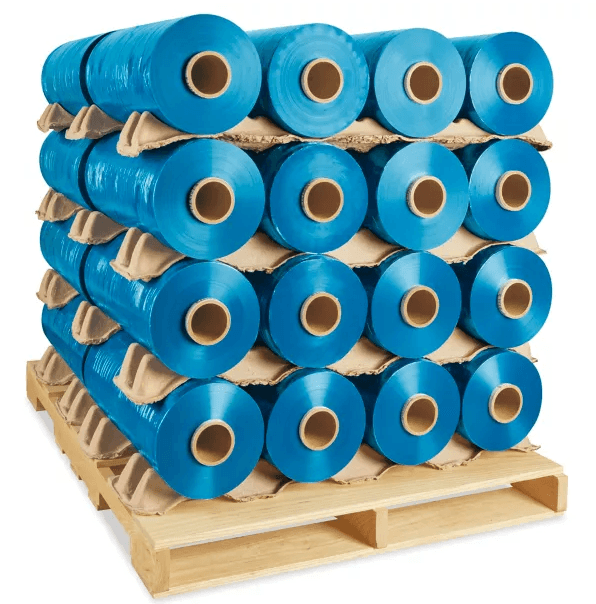
In today's industrial landscape, packaging consumables often fly under the radar when companies look for cost savings. Yet, for high-volume operations, stretch film waste can amount to thousands of dollars annually.
1. Downgauge Without Sacrificing Strength
The biggest misconception in packaging is that thicker film equals stronger film. Modern resin technology allows 60-gauge high-performance films to outperform traditional 80-gauge commodity films. By switching, you use less plastic per pallet while maintaining containment force.
2. Optimize Pre-Stretch Levels
Most stretch wrappers are capable of 200-250% pre-stretch, but many are set to only 150%. If your film can stretch 250% but you only stretch it 150%, you are literally throwing away 40% of your roll.
3. Check Your Wrap Patterns
Are you applying too much film at the top or bottom? While locking the load to the pallet is crucial, excessive overlapping (more than 3-4 inches) is often unnecessary for stability.
4. Stop Paying for Breakage
Cheap film breaks. When film breaks, your operator has to stop, re-thread, and re-wrap. The cost of downtime and labor often exceeds the "savings" from buying cheaper rolls.
5. Audit Your Load Containment
We see it all the time: pallets wrapped with 20 revolutions when 10 would do. A containment audit measures the actual force on the load, allowing you to dial in the exact amount of film needed—no more, no less.
For the broader buying framework, see our 2026 stretch film buyer’s guide. For the claims angle, see our guide to load containment and freight claims.
Ready to find out how much you can save? Request a delivered quote and we will audit your current spec before we quote a single roll.
Need help implementing these changes?
Our packaging specialists can perform a free on-site audit to identify these savings in your specific operation.